
Working with high-risk offers – dating, nutra, gambling, crypto, finance – is something every affiliate approaches with a mix of excitement and caution. These niches scale well, but they also come with rules that feel tighter every year. One claim phrased the wrong way, a landing page that doesn’t pass an automated check, or simply hitting a reviewer on a strict day can be enough for a platform to shut everything down.
Most media buyers don’t fully realize just how unforgiving this process can be until they lose their first few accounts.
Over time, affiliates who stay in these niches stop asking whether their campaign will be reviewed and start asking a far more practical question:
How do I keep this thing running long enough to make real profit?
Scaling becomes less about creative testing and more about the predictability of your setup. Without some form of protection, you end up stuck in a loop of rebuilding, warming, switching domains, and hoping your next attempt lasts longer than the previous one.
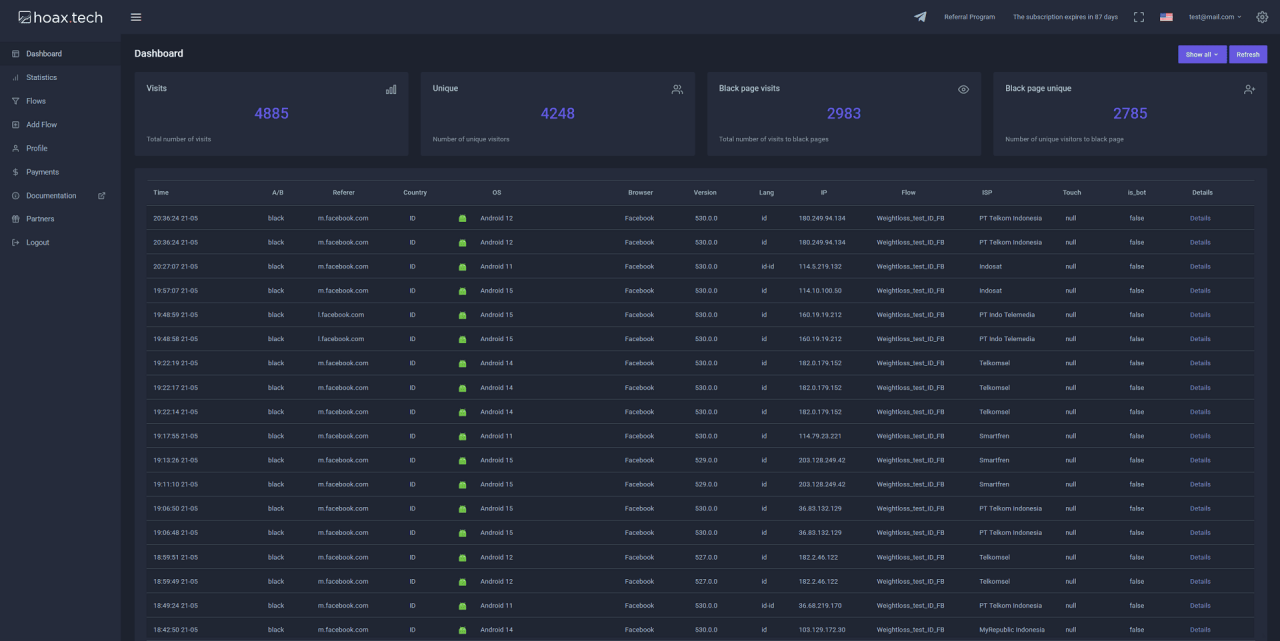
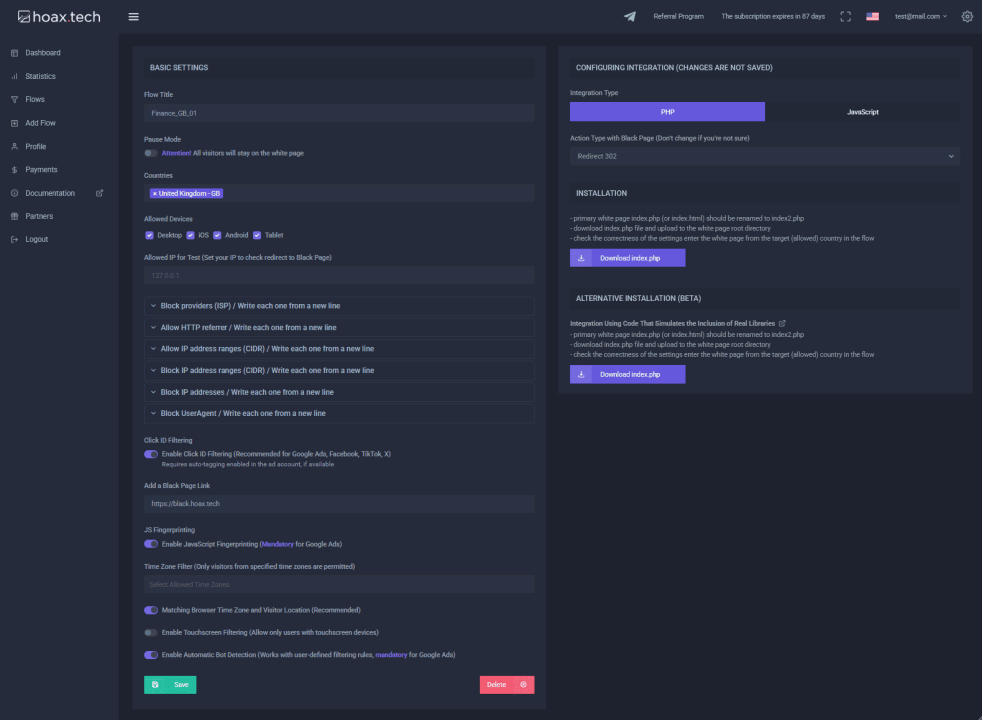
That’s why cloaking strategies have become a standard part of high-risk workflows rather than a clever workaround. These systems help separate real users from automated checks, keep sensitive funnels away from compliance triggers, and preserve account longevity long enough to optimize and scale. When implemented correctly, they bring stability to verticals where uncertainty usually dominates.
Why Filtering Becomes the Backbone of High-Risk Campaigns
At its core, cloaking isn’t complicated – different categories of traffic simply get routed to different versions of your landing environment:
- Real users reach the actual offer (the “money page”).
- Bots, scanners, and platform reviewers are sent to a compliant alternative (“safe page”).
It looks simple on paper, yet the impact is significant. Campaigns stay alive longer, scaling becomes more realistic, and you aren’t constantly rebuilding accounts.
Affiliates rely on this approach because a solid cloaking layer helps them: