
Introduction
In the rapidly evolving landscape of 2026, browser automation has become a cornerstone for developers, testers, and data scientists alike. At the heart of this movement is Selenium, a powerful, open-source framework that has defined the industry for over two decades. But as projects scale and complexity grows, a critical question arises: Is Selenium truly free to use?
While the software itself carries no price tag, the "hidden costs" of infrastructure, expertise, and maintenance can surprise the unprepared. In this comprehensive guide, we’ll break down the true cost of Selenium, explore its core components, and show you how to optimize your automation budget using professional tools like Nstproxy.
What Is Selenium?
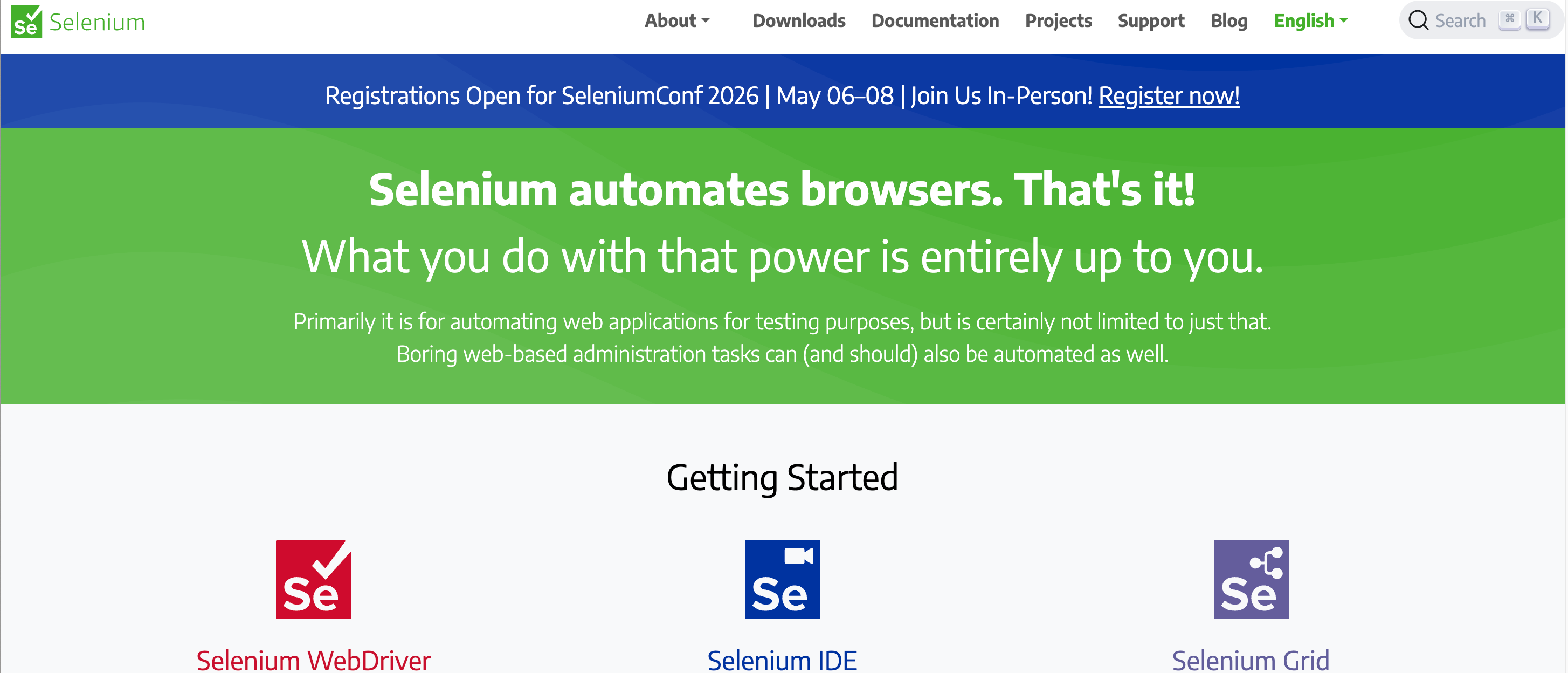
Selenium is an umbrella framework consisting of several specialized tools designed for browser automation. It allows developers to script interactions with web browsers, making it ideal for functional testing, web scraping, and repetitive task automation.
The Four Pillars of Selenium:
- Selenium WebDriver: The most popular component, providing a direct API to interact with browsers natively, just like a real human user.
- Selenium Grid: Enables parallel execution across different machines, browsers, and operating systems, significantly reducing test cycle times.
- Selenium IDE: A browser extension for "record-and-playback" automation, perfect for those who prefer a no-code approach for simple tasks.
- Selenium RC (Legacy): The original version that allowed remote browser control, now largely superseded by WebDriver.
Beyond testing, Selenium is a favorite for Web Scraping and performance monitoring. By integrating with languages like Python, Java, and JavaScript, it offers unparalleled flexibility for modern development workflows.
Is Selenium Really Free?
Yes, the software is 100% free. Since 2005, Selenium has been released under the Apache License 2.0. This open-source license allows individuals and corporations to use, modify, and even distribute the software for commercial purposes without paying a single cent in licensing fees.
However, "free" in the open-source world often refers to the license, not the total cost of ownership. As you move from a local script to an enterprise-grade automation pipeline, indirect expenses begin to accumulate.
The Hidden Costs of Using Selenium
To build a sustainable automation strategy, you must account for these four major cost categories:
1. Infrastructure and Resource Consumption
Running a browser instance (even in Headless Mode) is resource-intensive. Each instance consumes significant RAM and CPU power. When scaling to hundreds of concurrent threads, you’ll need robust server infrastructure.
- Cloud Costs: Services like AWS or Google Cloud can become expensive as your compute requirements grow.
- Proxy Requirements: For tasks like web scraping or localized testing, you cannot rely on a single IP. High-quality Residential Proxies are essential to avoid detection and IP bans.
2. The Learning Curve and Developer Time
Time is money. While basic Selenium is easy to pick up, mastering advanced features like dynamic element handling, synchronization, and framework design requires significant expertise.
- Training: Investing in courses or dedicated research time for your team.
- Maintenance: Selenium scripts are notoriously "brittle." As websites change their UI, your scripts will break, requiring constant debugging and updates.
3. Third-Party Integrations
To get the most out of Selenium, many teams invest in paid third-party platforms. Tools that provide access to thousands of real device combinations or advanced reporting can cost hundreds or even thousands of dollars annually.
4. Security and Anonymity
Standard Selenium instances are easily detected by advanced anti-bot systems. To maintain a high success rate, you need specialized infrastructure. This is where Nstproxy becomes an invaluable partner.
Take a Quick Look
Protect your online privacy and provide stable proxy solution. Try Nstproxy today to stay secure, anonymous, and in control of your digital identity.
Why Nstproxy is the Best Choice for Selenium Users:
- Undetectable Automation: Our Mobile Proxies provide the highest trust scores, ensuring your Selenium scripts aren't flagged as bots.
- Global Geo-Targeting: Access content from any region with our massive pool of ISP Proxies.
- Cost Efficiency: By using our Free Proxy Checker, you can ensure your proxy list is always healthy, reducing wasted resources on failed requests.
Is Selenium Still Relevant in 2026?
Despite the rise of newer tools like Playwright and Puppeteer, Selenium remains the industry standard. Its support for a wider range of browsers (including legacy ones) and almost every major programming language gives it an edge in enterprise environments. While newer alternatives might offer slightly faster execution in specific scenarios, they often lack the massive community support and extensive documentation that Selenium provides.
Conclusion
Selenium is a powerful, free-to-license tool that offers incredible value for browser automation. However, the true cost lies in the infrastructure and expertise required to run it effectively at scale. By partnering with a professional proxy provider like Nstproxy, you can mitigate many of these hidden costs, ensuring your automation projects are both successful and cost-effective.
Ready to supercharge your Selenium scripts? Explore Nstproxy's Pricing and start your journey today!
Frequently Asked Questions (Q&A)
Q1: Is there a paid version of Selenium? A1: No, Selenium is entirely open-source. Any "paid" versions you see are likely third-party platforms that build additional features or infrastructure on top of the core Selenium framework.
Q2: Do I need proxies for Selenium testing? A2: For internal functional testing, you might not. However, for web scraping, load testing, or geo-specific verification, using Residential Proxies is crucial to avoid IP blocking.
Q3: How does Selenium compare to Playwright in terms of cost? A3: Both are free and open-source. The indirect costs (infrastructure and maintenance) are similar, though Playwright is often cited as being slightly easier to maintain due to its built-in waiting mechanisms.
Q4: Can Selenium be detected by websites? A4: Yes, standard Selenium drivers leave "fingerprints" that anti-bot services can identify. Using Mobile Proxies and specialized drivers can help minimize this risk.
Q5: Is Selenium Grid free? A5: Yes, Selenium Grid is a free component of the Selenium suite. However, you will need to provide the physical or virtual machines (servers) to host the grid nodes.