
For serious SEO professionals, digital marketers, and enterprise businesses, manually checking keyword rankings is a relic of the past. The sheer volume of data, the need for real-time accuracy, and the complexity of localized search results demand an automated solution: the Rank Tracker API.
A Rank Tracker API allows developers to pull keyword ranking data directly from search engines in a structured format, enabling seamless integration into custom dashboards and reporting tools. However, the effectiveness of any rank tracker API is only as good as the infrastructure supporting it.
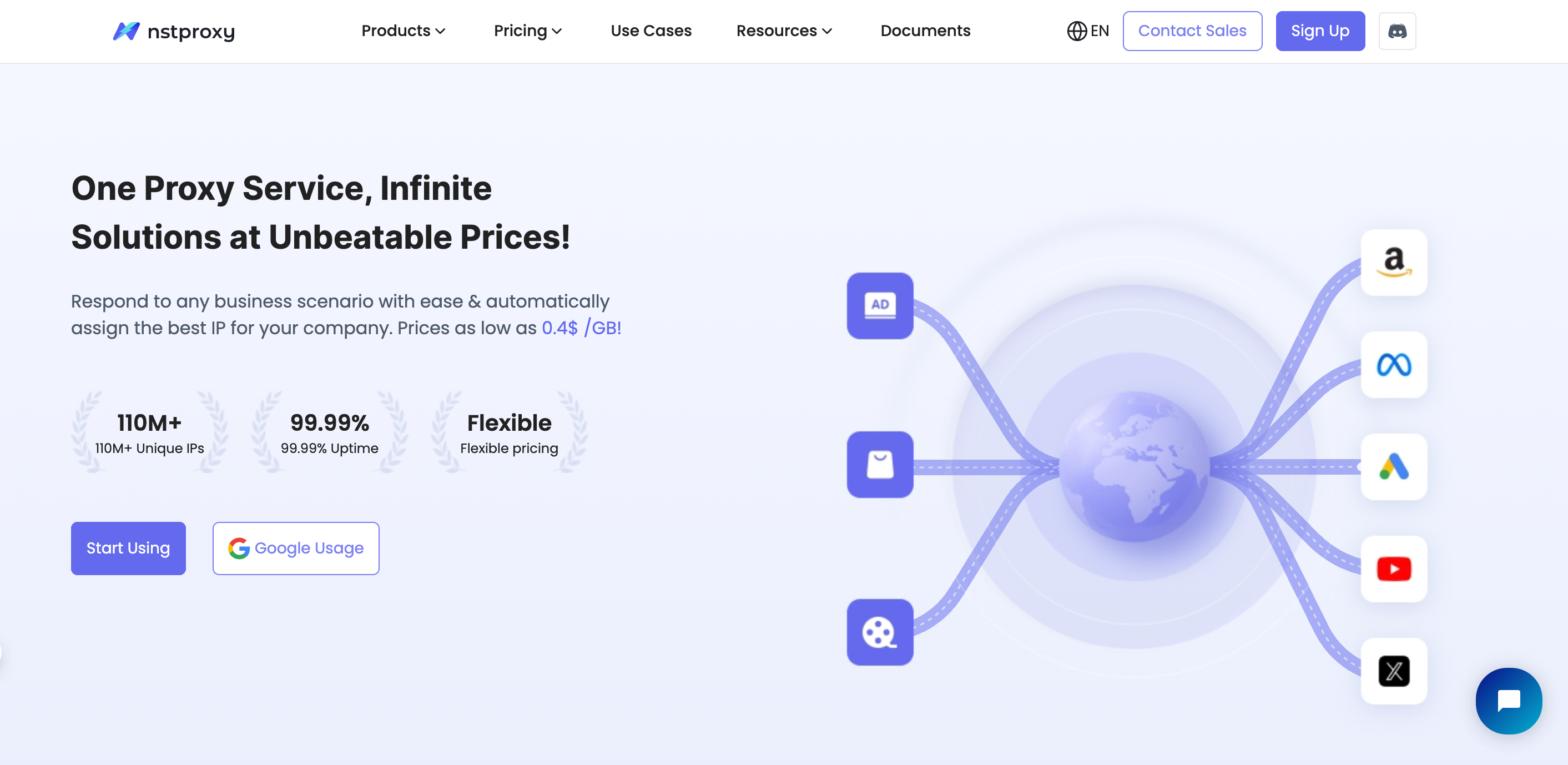
This guide reviews the top Rank Tracker APIs for 2025 and, more importantly, explains why Nstproxy Residential Proxies are the non-negotiable foundation for achieving accurate, scalable, and block-free SERP tracking.
What is a Rank Tracker API?
A Rank Tracker API is a service that provides endpoints for developers to programmatically request and receive search engine results page (SERP) data. Instead of relying on a web interface, the API returns data—typically in JSON format—that includes keyword positions, featured snippets, local packs, and other SERP features.
This automation is vital because it:
- Scales Easily: Handles thousands of keyword checks simultaneously.
- Saves Time: Eliminates the need for manual data collection.
- Ensures Reliability: Provides consistent, structured data for reporting.
The Indispensable Role of Proxies in Rank Tracking
Search engines employ sophisticated anti-bot measures to prevent automated scraping. Furthermore, search results are highly personalized based on location and device. To overcome these challenges, proxies are essential for any serious rank tracking operation.
Why Proxies are Non-Negotiable:
- Bypassing IP Blocks: Sending a high volume of requests from a single IP address will result in an immediate ban. Proxies, especially rotating residential proxies, distribute these requests across a massive pool of IPs, making the traffic appear organic and preventing blocks.