




Introduction
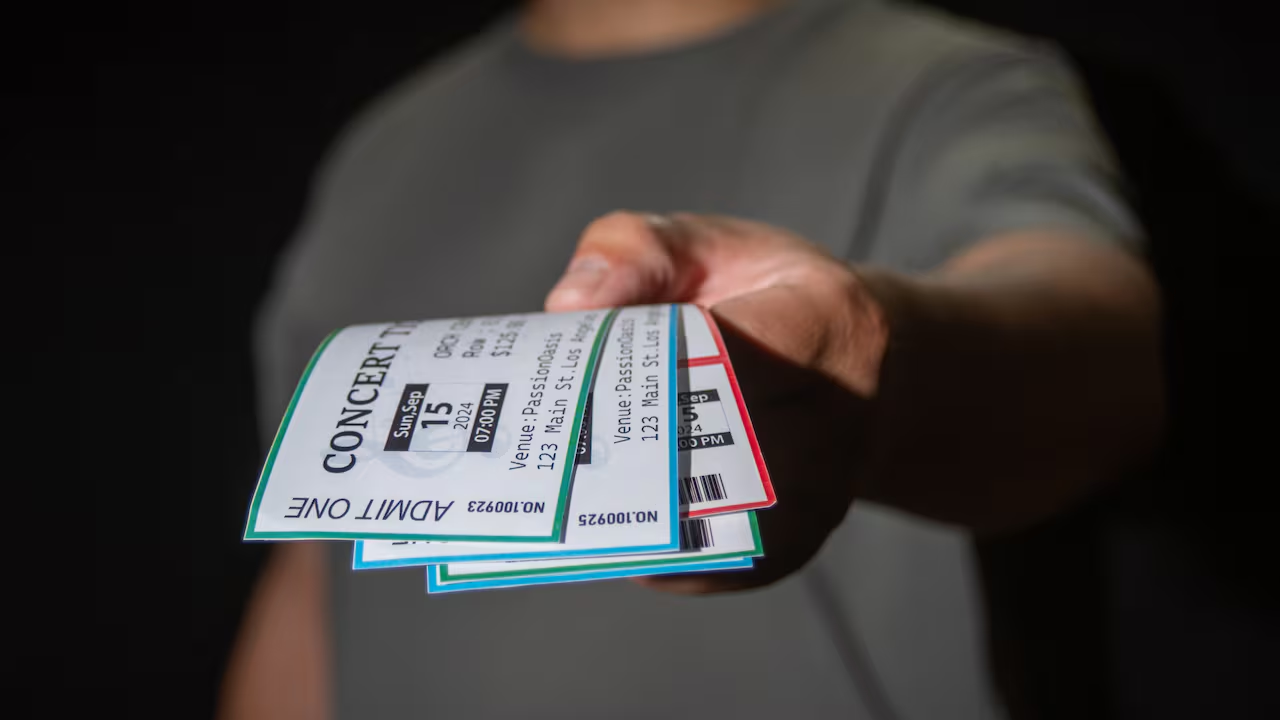
The live events industry in the UK is on the cusp of a major transformation with the proposed ban on ticket resale above face value. This regulation, aimed at ensuring fan fairness, is set to reshape the operational landscape for secondary ticketing platforms, venues, and artists alike. The core challenge for the industry is not just compliance, but the effective implementation of anti-bot and anti-scalping measures.
This article explores the impact of the ban and highlights the critical role of technology in enforcing these new rules. Specifically, we will examine how Nstproxy provides the essential infrastructure to help platforms and ethical data collectors navigate this complex regulatory environment.
1. The Impact on Ticket Platforms and the Need for Anti-Bot Measures
Secondary ticketing platforms such as StubHub, Viagogo, and Ticketmaster face significant operational overhauls. With UK fans overpaying an estimated £145 million annually on inflated resale tickets, the pressure is immense. Platforms must now consider:
- Resale Caps: Enforcing strict limits on resale prices.
- ID-Linked Ticketing: Tying tickets to the original purchaser to prevent unauthorized transfers.
- Anti-Bot Systems: Implementing advanced measures to block automated scalping software.
The adoption of robust anti-bot systems is paramount. Scalpers rely on sophisticated bots to mass-purchase tickets the moment they go on sale, often using large pools of IP addresses to bypass rate limits and geo-restrictions. This is where professional proxy infrastructure becomes a double-edged sword: it is the scalper's tool, but also the platform's defense.
2. Resale Restrictions and the Shift to Fairer Ticketing
For venues and promoters, the ban presents an opportunity to build long-term fan loyalty. The focus is shifting towards developing fan-first initiatives:
