How to Get Into the Sneaker Game: Your Ultimate Guide for 2026
Quick Takeaways
The sneaker game is not just about reselling. It includes culture, collecting, styling, community, and market knowledge.
Beginners should start by learning sneaker history, major models, release calendars, and resale platforms before spending serious money.
Sneaker raffles, SNKRS drops, boutique releases, and resale marketplaces all work differently.
Reselling can still be profitable, but only if you understand demand, fees, sizing, timing, and risk.
For serious online release workflows, Nstproxy Static ISP Proxies can help maintain stable sneaker site sessions, while Nstproxy Residential Proxies are useful for geo-targeted raffle and release access.
Lead-in
The sneaker game can look confusing from the outside. One day a pair of Jordans, Dunks, or New Balance collaborations drops at retail, and a few minutes later it is sold out everywhere. Then you see the same pair listed on StockX, GOAT, eBay, or local groups for a higher price, and it starts to feel like there is a whole system everyone else understands.
That system is the sneaker game. It includes collecting, styling, reselling, raffles, release calendars, sneaker stores, online drops, authentication, and community knowledge. Some people enter because they love the culture. Some want to build a personal collection. Others want to resell sneakers for profit.
In 2026, the sneaker game is not as easy as it once was. Quick flips are harder, resale margins are thinner, and major sites have stronger anti-bot systems. But it is not dead. Beginners can still get in if they learn the basics, avoid hype traps, understand release mechanics, and use the right tools when needed.
What Is the Sneaker Game?
The sneaker game is the culture and market around limited, collectible, and high-demand sneakers. It includes people who buy sneakers to wear, collectors who build personal archives, and resellers who buy limited pairs to sell later.
Sneaker culture is built on history. Air Jordans are tied to basketball and Michael Jordan’s legacy. Nike SB Dunks are tied to skate culture. Adidas Sambas, New Balance 990s, ASICS runners, and Salomon trail shoes all carry their own design stories and communities. A sneaker’s value often comes from a mix of design, scarcity, brand history, collaboration, celebrity influence, and timing.
Sneaker reselling is only one part of the game. It focuses on buying shoes at retail and selling them above retail. That can be profitable, but it is also riskier than many beginners expect. A hyped shoe can still become a “brick” if supply is too high or demand fades quickly.
The best beginners learn culture first and resale second. When you understand why people care about a pair, you make better buying decisions.
Do You Need Sneaker Bots or Proxies?
Not necessarily.
Many sneaker enthusiasts enjoy Sneaker Games without using bots at all. You can participate in raffles, follow release calendars, join community events, and manually purchase less competitive drops. For most beginners, understanding release mechanics and market trends is far more important than investing in automation tools.
However, as your sneaker activities become more advanced, maintaining reliable access to retailer websites can become challenging. Popular releases often generate massive traffic spikes, leading to queue systems, rate limits, regional restrictions, and temporary access blocks.
If you regularly monitor multiple sneaker drops, manage several retailer accounts, or participate in raffles across different regions, a quality proxy network can help maintain a more stable browsing experience.
Sneaker websites are designed to detect unusual traffic patterns and protect inventory during high-demand releases. Frequent IP changes, unstable connections, or heavily shared networks may lead to interruptions at critical moments.
For sneaker enthusiasts who want more consistent access during release periods, choosing the right proxy infrastructure can make a noticeable difference.
Nstproxy for Sneaker Workflows
For sneaker enthusiasts who want a more reliable experience during releases, raffles, and retailer monitoring, Nstproxy provides a trusted proxy solution built for stability and flexibility. With a combination of high-quality Static ISP Proxies and Residential Proxies, Nstproxy helps users maintain consistent sessions, access region-specific releases, and stay connected during high-traffic sneaker drops. Whether you're tracking upcoming launches or managing multiple sneaker platforms, Nstproxy offers the performance and reliability needed for a smoother workflow.
Built for Consistency: Stable connections help you focus on releases instead of worrying about session interruptions.
Stay Closer to the Drop: Access region-specific sneaker launches with flexible residential and ISP proxy options.
Speed When It Matters: Low-latency connections help ensure a smoother experience during high-demand release windows.
Trusted by Advanced Users: Designed for users who need reliable access, stable sessions, and flexible location coverage.
One Proxy Solution for Every Sneaker Workflow: From release monitoring to region-specific access, Nstproxy provides the flexibility sneaker enthusiasts need.
The goal is not to use more tools—it's to create a more reliable experience. For sneaker releases, stability and consistency are often more valuable than aggressive IP rotation.
How to Get Into the Sneaker Game Step by Step
1. Learn the Basic Terms
Before you buy your first serious pair, learn the language. Sneaker communities use terms that can confuse beginners.
Deadstock means a pair is brand new and unworn.
VNDS means very near deadstock, usually worn lightly.
GR means general release, which usually has wider availability.
Retro refers to a re-release of an older model.
Grail means a personal dream pair.
Brick means a shoe that has little or no resale value.
Raffle means a lottery-style release.
FCFS means first come, first served.
Cook group refers to a paid or private community that shares release information, resale predictions, and buying strategies.
Learning these terms helps you understand release guides, Discord groups, Reddit threads, and resale listings without getting lost.
2. Study Brands, Models, and Trends
Do not start by buying whatever is trending on TikTok or Instagram. Start by learning the major brands and silhouettes.
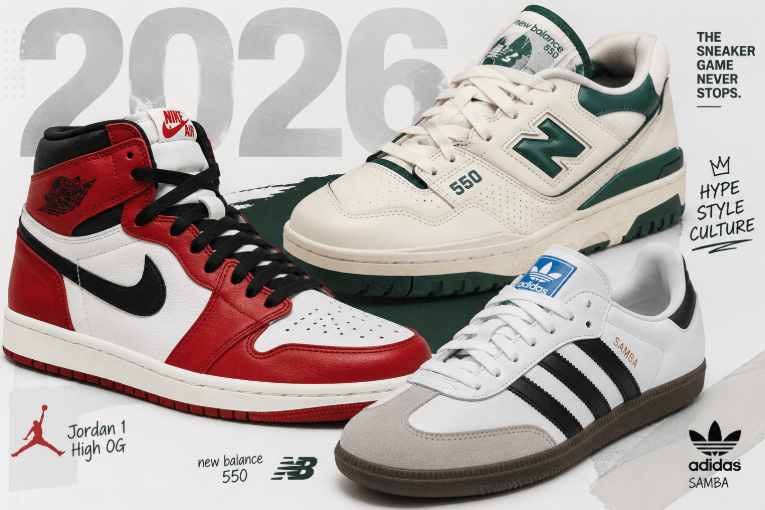
Nike and Jordan dominate many limited releases, especially Air Jordan 1s, Air Jordan 3s, Air Jordan 4s, Dunks, and Nike SB Dunks. Adidas still has strong lifestyle models like Sambas, Gazelles, and Spezial releases. New Balance has built a loyal following around models like the 550, 990, 991, 993, and 2002R. ASICS and Salomon have grown through running, gorpcore, and fashion collaborations.
The goal is not to memorize every shoe. The goal is to notice patterns. Which models sell out fast? Which collaborations hold value? Which colorways are wearable? Which brands are rising or cooling off?
A good beginner spends time looking at completed sales, not just listing prices. Asking prices can be unrealistic. Sold prices tell you what buyers actually paid.
3. Follow Release Calendars and Sneaker News
The sneaker game moves around release dates. If you find out about a release after it sells out, you are already late.
Follow official apps and retailers such as Nike SNKRS, Adidas Confirmed, Foot Locker, JD Sports, Finish Line, and boutique sneaker stores. Also follow sneaker news sites, release calendar accounts, Discord groups, and Reddit communities.
You should know the release date, retail price, available sizes, launch method, and expected demand before the drop. This prevents impulse buying and helps you decide whether a pair is worth your time.
For beginners, the best habit is simple: check release calendars weekly and build a shortlist. Do not chase every release. Pick the ones that match your collection, budget, or resale strategy.
4. Understand Raffles, Drops, and Retail Buying
Most beginners think buying sneakers is just clicking “add to cart.” In reality, different release types work differently.
A SNKRS drop usually happens through Nike’s app and may use a draw, queue, or limited-time entry. A raffle lets users enter before the release, and winners get a chance to buy. A first come, first served drop rewards speed, but it can be heavily botted. Boutique releases may use local raffles, online raffles, email confirmations, or special rules.
Raffles are often free to enter, but winning is not guaranteed. Winners may be selected randomly, filtered by store rules, or affected by eligibility and location. For beginners, raffles are one of the safest ways to participate because they do not require advanced tools or instant checkout speed.
Start with manual entries. Learn how each store works. Track which raffles you entered, what size you chose, whether you won, and whether the pair had real resale value afterward.
5. Where Can You Buy Sneakers?
If you plan to resell, understand where sneakers are sold.
StockX and GOAT are popular because they offer marketplace structure and authentication. eBay is useful because of its sneaker authentication program and broader buyer base. Flight Club works more like a consignment marketplace. Grailed and Facebook groups can be useful, but they require more caution because seller and buyer behavior varies.
Each platform has different fees, payout timing, shipping requirements, and risk. A shoe that looks profitable at first may not be profitable after fees, tax, shipping, and price drops.
Before buying a pair to resell, calculate:
Retail price
Sales tax
Shipping cost
Platform selling fee
Payment processing fee
Shipping to the buyer or platform
Expected resale price
Time needed to sell
If the margin is small, skip it. Small profit can disappear quickly.
6. Set a Budget and Track Everything
The fastest way to lose money in the sneaker game is to buy emotionally. Beginners often chase too many releases because they see other people posting wins.
Set a starting budget. It can be small. The point is to build discipline.
Track every pair in a spreadsheet:
Item
What to Track
Sneaker name
Full model and colorway
Size
Resale value often depends on size
Retail cost
Include tax
Shipping
Add all shipping costs
Platform fee
StockX, GOAT, eBay, etc.
Sale price
Actual sold price, not listing price
Net profit/loss
Final result after all costs
This habit teaches you faster than hype pages. After a few months, you will know which releases were worth it and which ones only looked good online.
7. Avoid Fakes and Bad Deals
Fake sneakers are one of the biggest risks for beginners. If a deal looks too good, it probably needs extra checking.
Buy from trusted platforms when starting out. If buying locally or through social groups, check seller history, tagged photos, receipts, box labels, size tags, stitching, shape, materials, and overall consistency. For expensive pairs, use professional authentication.
Do not rush. Scammers rely on urgency. Real sneaker knowledge includes knowing when to walk away.
How to Know Which Sneakers Are Worth Buying
A good sneaker buy is not just a popular shoe. It is a shoe with the right balance of demand, scarcity, retail price, resale price, size, and timing.
1. Start with demand.
Collaborations with strong stories often perform better than random colorways. Travis Scott, Nike SB, Jordan retros, certain New Balance collaborations, and limited boutique releases can generate strong interest, but not every collaboration is profitable.
2. Then check supply.
If stock numbers are high, resale value may drop even if the shoe is popular. If supply is low but demand is weak, the shoe may still sit.
3. Size matters too.
Some sizes resell better depending on the model and market. Men’s common sizes may move faster, but smaller or larger sizes can sometimes bring higher margins on specific pairs.
4. Most importantly, learn to avoid bricks.
A brick is not always a bad shoe. It is simply a bad resale buy. You can still buy bricks to wear if you like them. Just do not confuse personal taste with market demand.
Beginner Strategies That Actually Work
1. Start as a collector first. Buy a few pairs you genuinely like. This helps you learn materials, sizing, comfort, packaging, and community language without treating every purchase like a stock trade.
2. Pick one niche. You might focus on Jordans, SB Dunks, New Balance, Adidas classics, running shoes, vintage sneakers, or local boutique collaborations. A niche helps you build expertise faster.
3. Join communities, but do not blindly follow them. Reddit, Discord, local sneaker groups, and events can teach you a lot, but hype spreads fast. Use community opinions as signals, not instructions.
4. Track your wins and losses. If you resell, every purchase should have a reason. If you collect, every purchase should fit your taste, wardrobe, or long-term collection.
5. Most importantly, learn when not to buy. Skipping bad releases is one of the most underrated sneaker skills.
Common Beginner Mistakes
The first mistake is buying every hyped release. Hype does not always equal profit.
The second mistake is ignoring fees. A $40 resale gap may become almost nothing after tax, shipping, and platform fees.
The third mistake is using free proxies for serious drops. Bad proxies can fail during the exact moment you need stability.
The fourth mistake is trusting every seller. Learn legit checks and use authentication for expensive pairs.
The fifth mistake is expecting fast profit. Sneaker reselling takes time, and many pairs require patience to sell well.
FAQs
Q1. How do I get into the sneaker game?
Start by learning sneaker terms, major brands, release calendars, raffle systems, resale platforms, and authentication basics. Buy slowly, track your costs, and focus on understanding the culture before chasing profit.
Q2. How much money do I need to start?
You can start with the cost of one retail pair, often around $100-$250 depending on the shoe. If you plan to resell, start with a small budget and track every expense.
Q3. Is sneaker reselling still profitable?
Yes, but it is more competitive than before. Profit depends on choosing the right releases, sizes, platforms, and timing while accounting for fees and shipping.
Q4. Do I need sneaker bots?
No. Beginners should start manually with raffles, SNKRS drops, local stores, and less competitive releases. Bots and advanced tools are only useful after you understand the market.
Q5. What are sneaker raffles?
Sneaker raffles are lottery-style releases where users enter for a chance to buy limited shoes. Winners are selected by the retailer or platform.
Q6. Are sneaker raffles free to enter?
Many sneaker raffles are free to enter, but some may require payment authorization, local pickup, or account eligibility. Always read the store’s rules.
Q7. What proxies are best for sneaker drops?
Static ISP proxies are best for stable sneaker site sessions, while residential proxies are useful for raffle and geo-targeted workflows. Nstproxy offers both options.
Q8. Is Nstproxy good for sneaker sites?
Yes, Nstproxy is a strong option for serious sneaker workflows. Static ISP Proxies help with stable long sessions, while Residential Proxies help with real-user IP trust and location flexibility.
Conclusion
Getting into the sneaker game in 2026 means more than buying hyped shoes. You need to understand culture, release calendars, raffles, resale platforms, authentication, budgeting, and market timing.
Start small. Learn the language. Buy what you like. Track your results. Avoid fakes, bad flips, and emotional purchases.
If you move into serious online release workflows, tools like Nstproxy Static ISP Proxies and Nstproxy Residential Proxies can help create more stable, controlled sneaker sessions. But the real advantage is still knowledge. The sneaker game rewards people who combine taste, patience, research, and discipline.